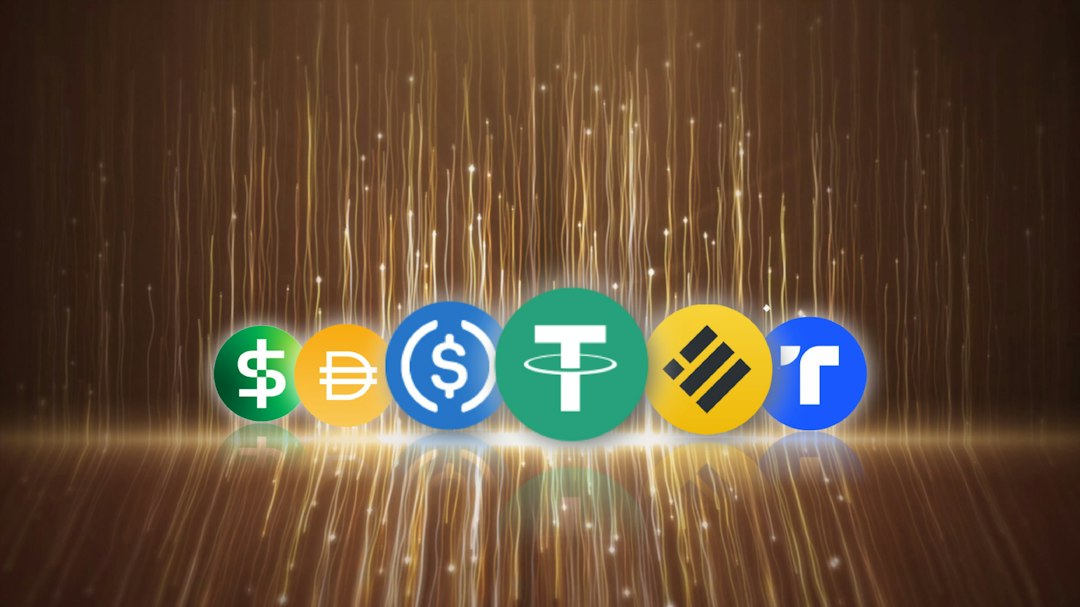
Stablecoins are digital assets designed to track the value of another asset, often the United States dollar. They are now part of a wider conversation among banks, fintechs, asset managers, and digital asset businesses in Nigeria.
The interest is linked to cross-border payments, online business, and the need to move value across different markets. Stablecoins still carry risk. A familiar name or a dollar label does not remove the need for care.
What a stablecoin does
A dollar-linked stablecoin aims to hold a value close to one dollar. People use it to receive money, make transfers, trade digital assets, or move funds between platforms. The price can still move away from its target value, especially in periods of stress or low liquidity.
What users should check first
- Use a provider with clear terms, verified identity checks, and visible support channels.
- Confirm the asset name, blockchain network, address, and fee before every transfer.
- Understand whether the platform holds your assets or you control the wallet keys.
- Keep records of your purchase, transfer reference, and receiving address.
Regulation and trust matter
News reports on institutional interest do not mean every service has full regulatory approval. Nigeria’s SEC has stated that approvals in principle remain conditional under its digital asset framework. Read the terms, understand the product, and avoid anyone promising guaranteed returns.
Never rush a transfer
Blockchain transfers are difficult to reverse. A wrong network or address can lead to permanent loss. Slow down, check the details, and start with a small test amount where the service supports it.
Stablecoins are tools. Good decisions still depend on the provider, your security habits, and a clear understanding of the risks.
Read the latest report on stablecoin services in Nigeria.
Share this article