Climate Risk Is Now an Economic Issue Too
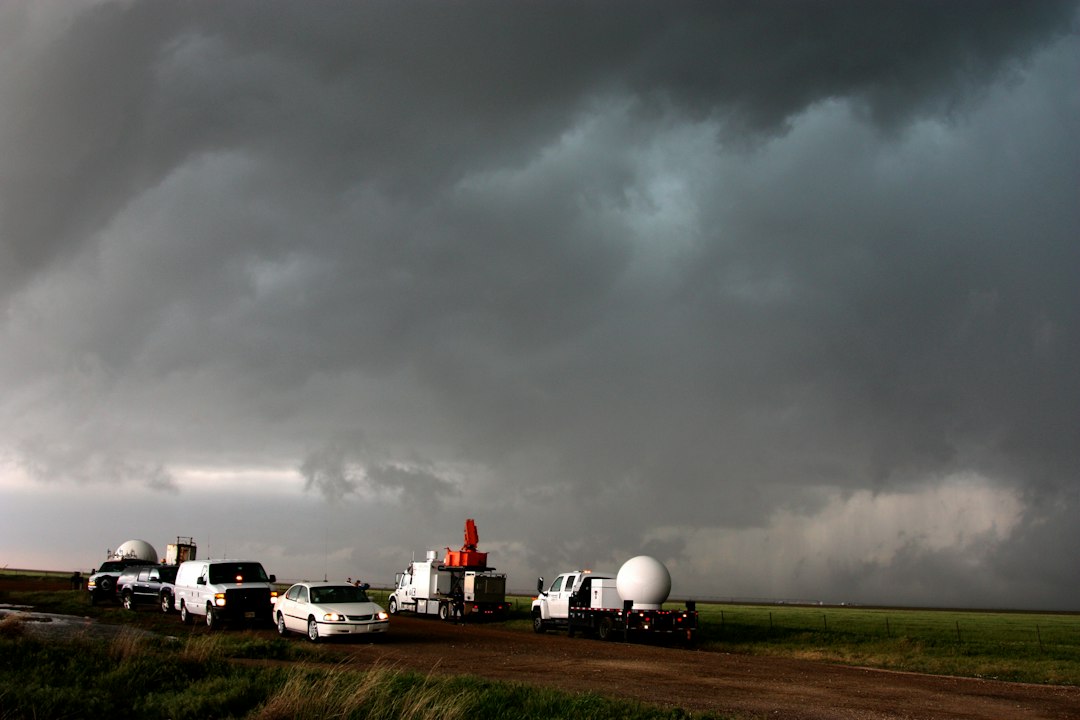
Extreme weather and changing seasons affect prices, supply chains and household costs. Businesses and governments increasingly treat climate resilience as part of normal economic planning.

Extreme weather and changing seasons affect prices, supply chains and household costs. Businesses and governments increasingly treat climate resilience as part of normal economic planning.

A strong El Niño does not create the same outcome everywhere. It changes the odds of temperature and rainfall patterns, which makes local forecasts and public communication essential.
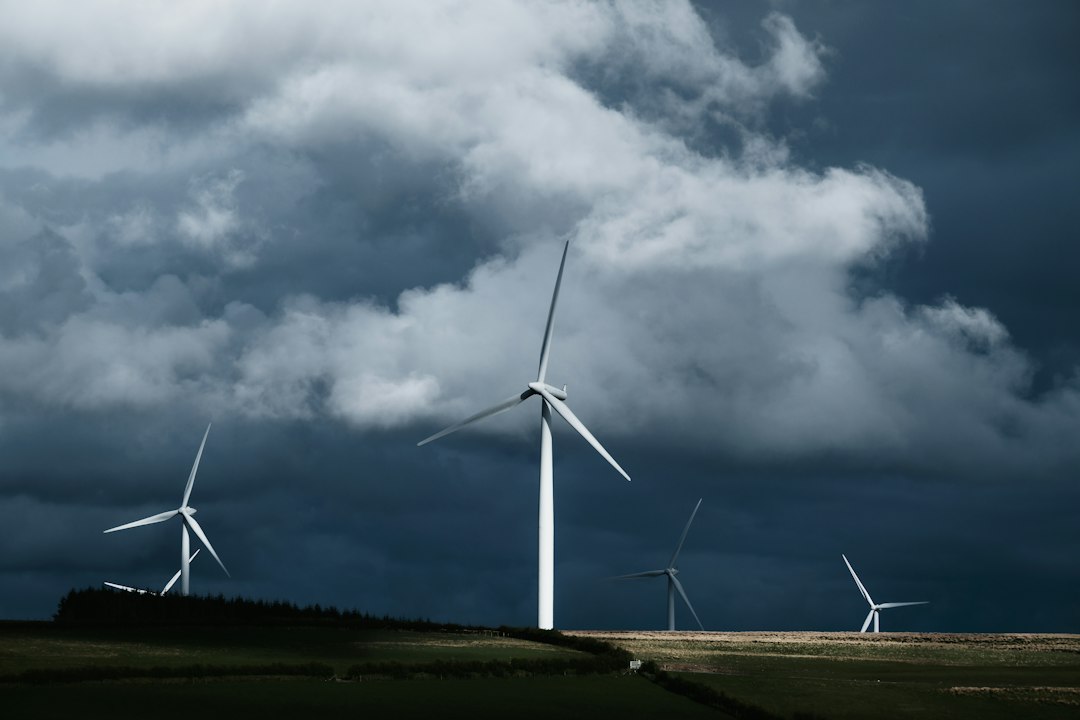
Modern climate research draws on satellite observations, ocean records and long-term measurements. This information helps track change at a scale no single country could monitor alone.
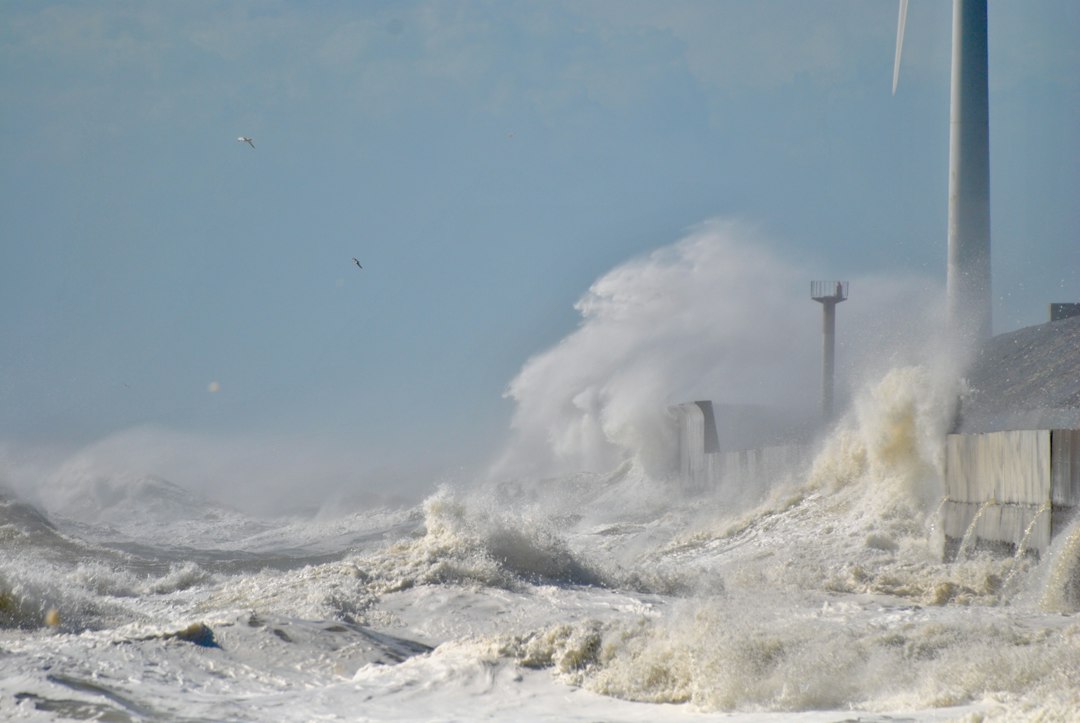
Seasonal climate outlooks translate complex global data into useful guidance for the next few months. They support planning for health, agriculture, water and emergency response.
Climate and energy pressures are pushing governments to think harder about power reliability, cost and emissions. Renewable projects work best when paired with strong grids, storage and fair local engagement.
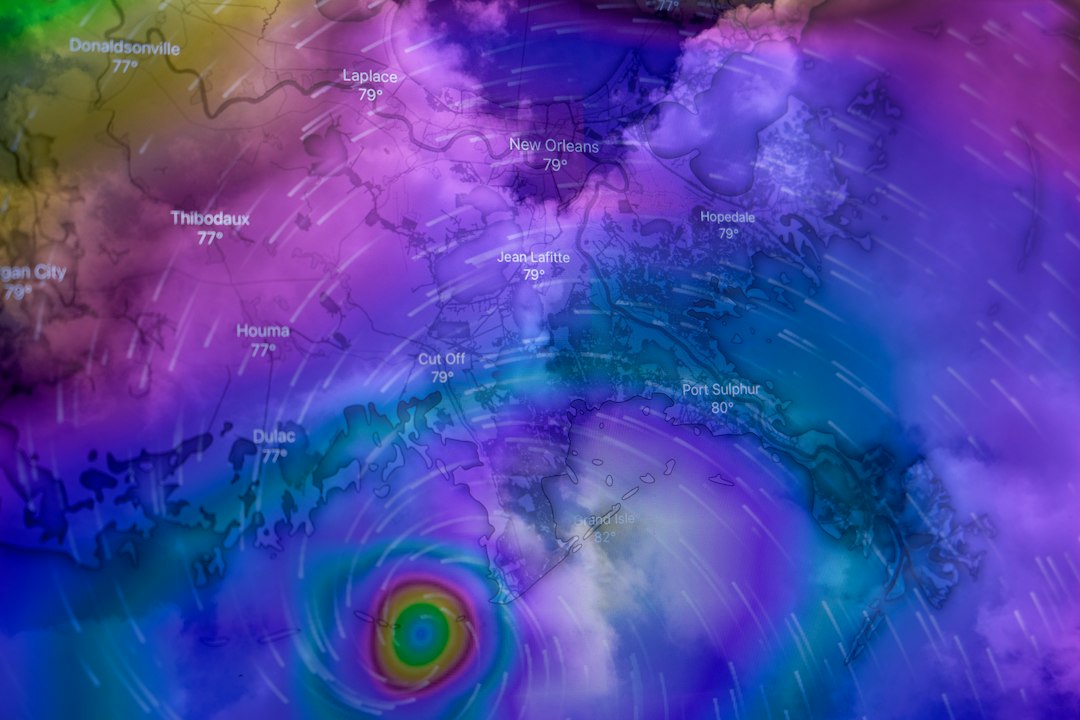
The world’s leading climate science body faces a difficult discussion about the timeline for its next major assessment. These reports guide policy, investment and public understanding around the world.
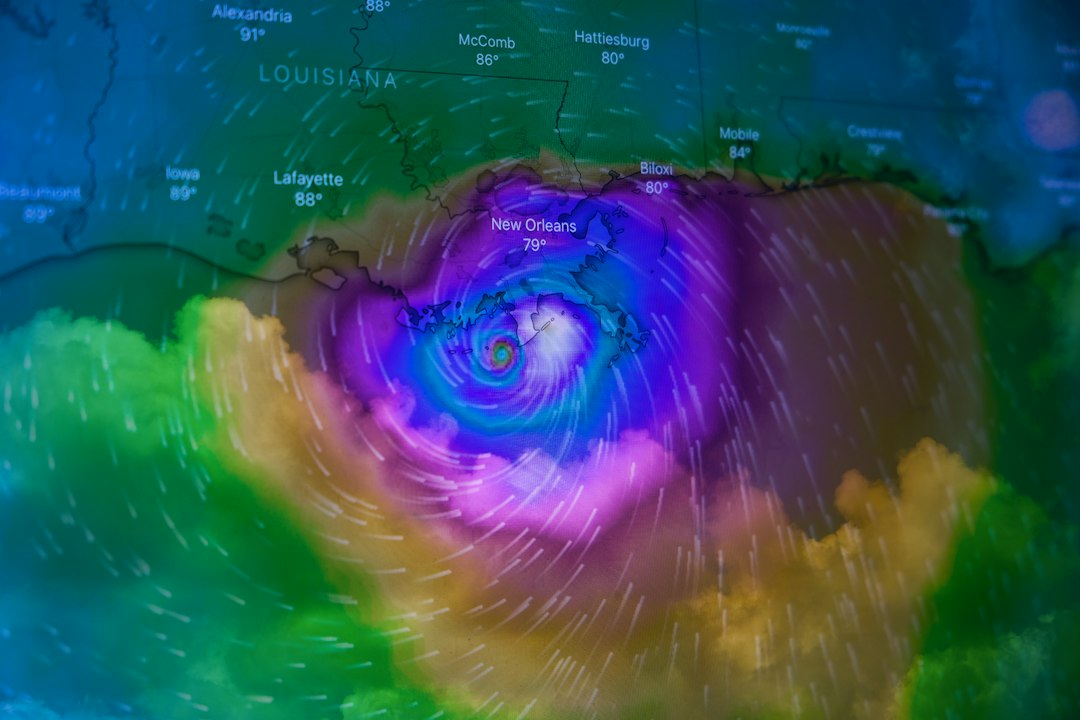
Recent reporting links record atmospheric water vapour levels with El Niño conditions and global heating. More moisture in the atmosphere can intensify rainfall patterns in some regions.
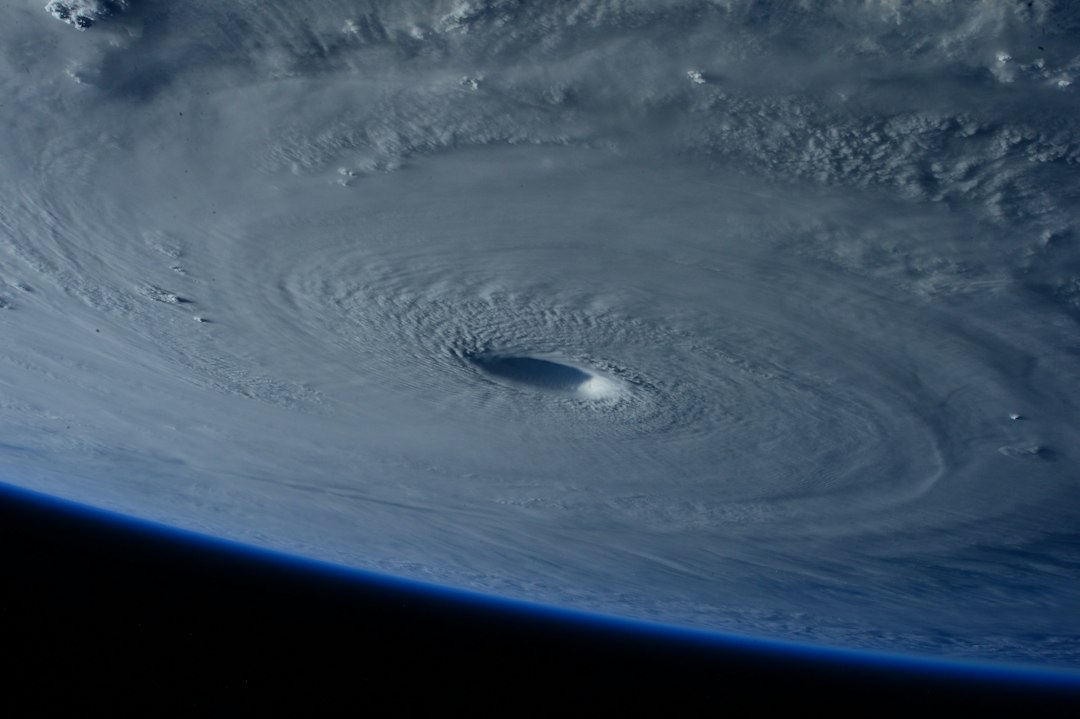
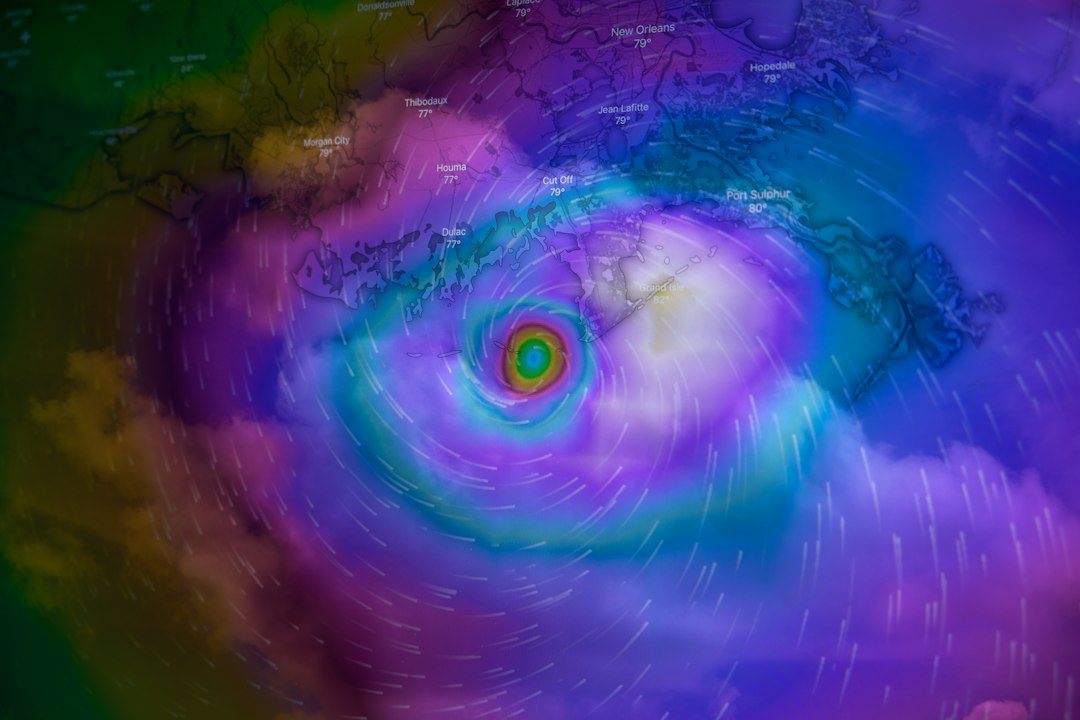
Reporting from the Pacific points to unusually active hurricane conditions this season. Extreme weather affects homes, food supply, insurance and transport far beyond the areas directly hit.
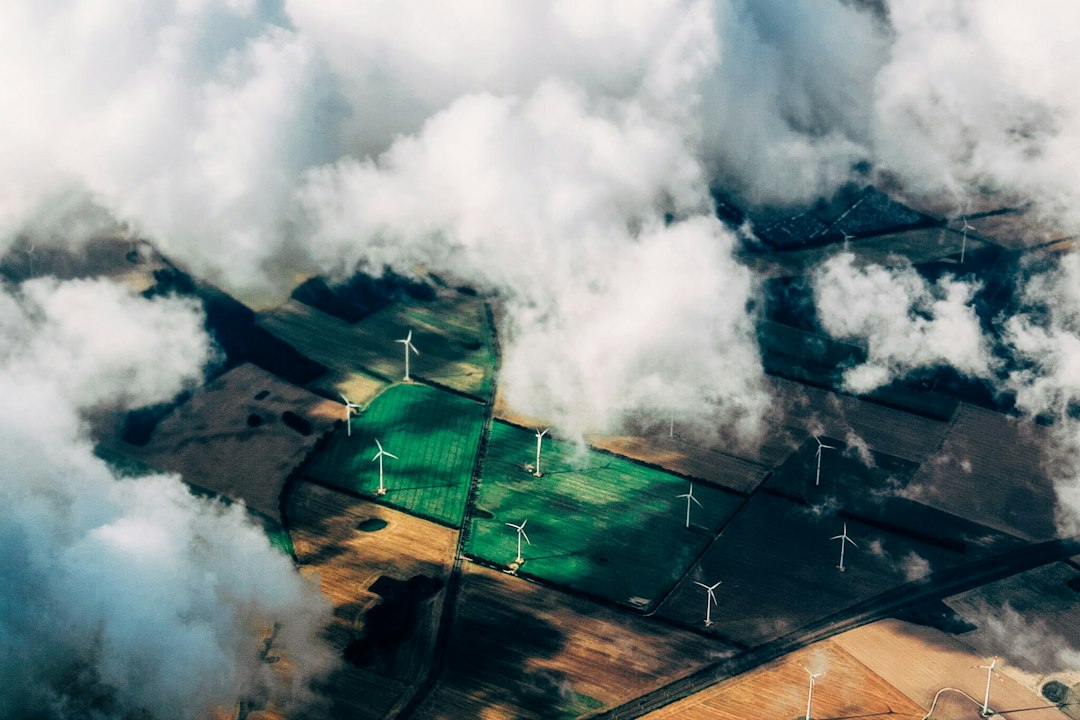
The latest climate science report highlights ten developments that researchers want decision-makers to consider before major negotiations. The findings draw on satellite data and long-term records.
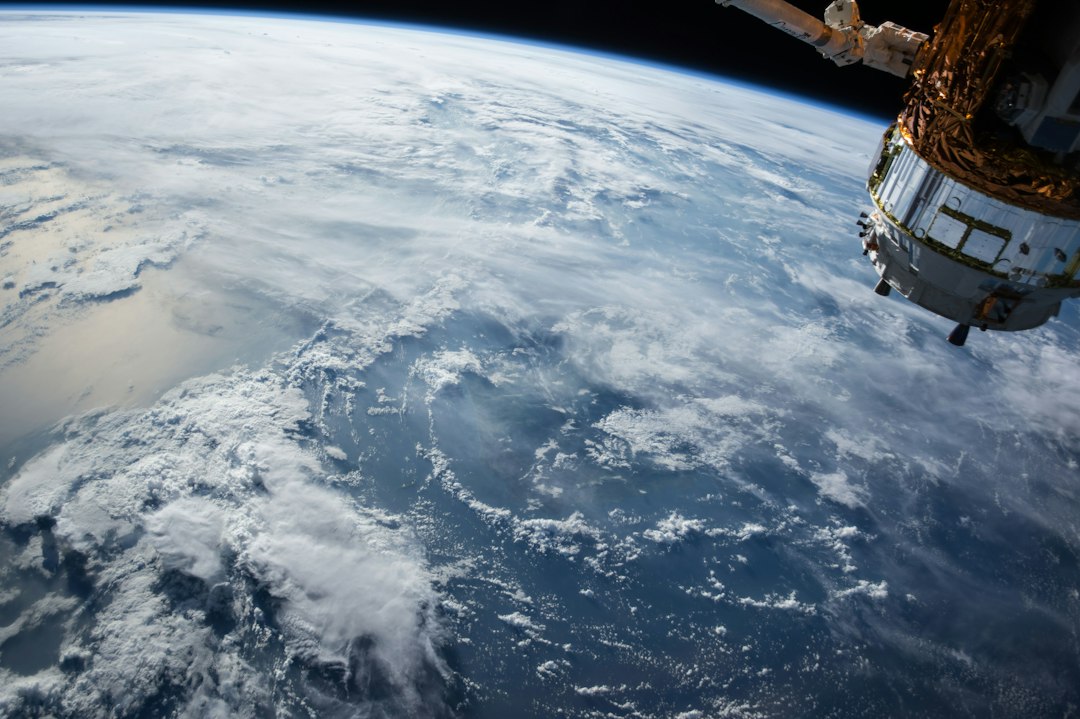
The World Meteorological Organization’s latest seasonal update points to a strong El Niño influence in the months ahead. Such climate patterns change rainfall and temperature risks across regions.